15 Minute Garlic Shrimp Pasta: A Quick Dinner Worth Lingering Over
Some evenings do not allow for ceremony.
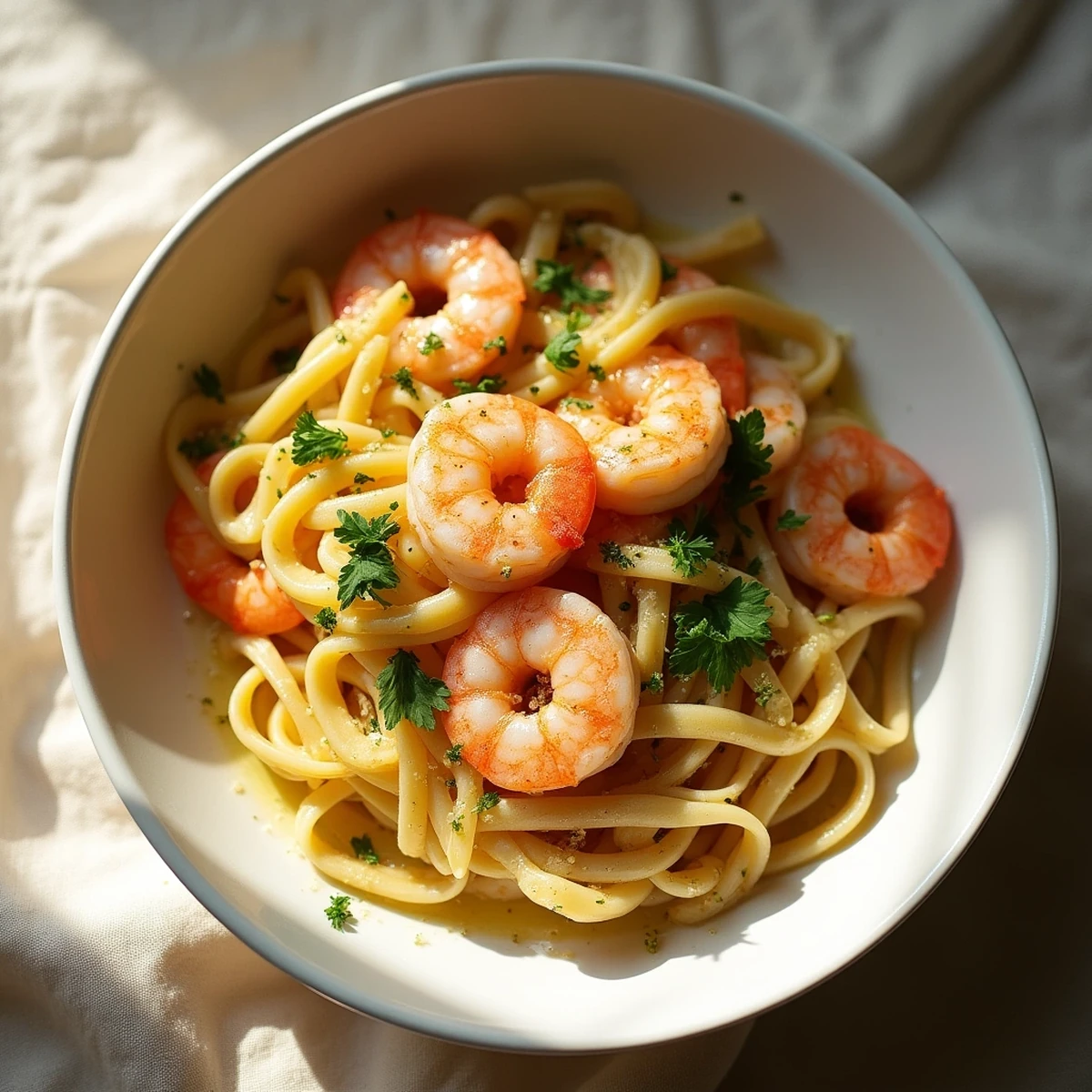
Some evenings do not allow for ceremony. Zara has rehearsal until seven, Abram comes home with the particular quiet that means the session ran long, and the morning’s careful plans for a slow dinner have dissolved entirely. These are the evenings that ask for something quick — but I have never been willing to let quick mean careless. This is the recipe I reach for on those nights.
Garlic shrimp pasta is, at its core, a simple thing: good pasta, good shrimp, more garlic than seems reasonable, olive oil, a splash of white wine, and perhaps a handful of parsley if you have it. It is the kind of dish that exists in some form in nearly every coastal cuisine that cooks with olive oil — along the Amalfi Coast, where my father’s family would make something almost identical with whatever came off the boats that morning, and in the restaurants along the seafront in Napoli where a dish like this is not considered fast food but simply honest food. Food that respects the ingredient by not overcomplicating it.
The first time I made this properly — by which I mean with shrimp I’d bought that day, olive oil I cared about, and enough patience to let the garlic turn golden rather than merely warm — I understood why it has lasted. There is nothing here to hide behind. The garlic is the flavor. The shrimp is the texture. The pasta is the vehicle. In fifteen minutes, on a Tuesday, it is one of the better things you can put on a table.
Pay attention to the garlic. That is where this dish either succeeds or merely gets by.
Ingredients
- 200g linguine or spaghetti
- 300g large raw shrimp, peeled and deveined
- 6 cloves garlic, thinly sliced
- 4 tablespoons good olive oil, plus more for finishing
- 60ml dry white wine
- 1/2 teaspoon chili flakes, or to taste
- Zest of half a lemon
- 1 tablespoon fresh lemon juice
- Small handful of flat-leaf parsley, roughly chopped
- Flaky sea salt and freshly cracked black pepper
- Reserved pasta water, approximately 60ml
Instructions
-
- Bring a large pot of generously salted water to a boil. Add the pasta and cook until just al dente — one minute less than the package directs. The pasta will finish cooking in the pan. Reserve approximately 60ml of the cooking water before draining.
-
- While the pasta cooks, warm the olive oil in a wide skillet over medium heat. Add the sliced garlic and chili flakes. Let them cook slowly, stirring gently, for 2 to 3 minutes until the garlic turns pale gold at the edges. This is the step that matters most — golden garlic is sweet and mellow; burned garlic is bitter and unforgiving. Watch it.
-
- Increase the heat to medium-high. Add the shrimp in a single layer, season with salt and black pepper, and cook without moving them for 90 seconds until they turn pink on the underside. Flip each shrimp and cook for another 60 seconds. They should be just cooked through — opaque, curled gently, with no grey remaining. Remove the shrimp to a plate and set aside.
-
- Pour the white wine into the still-hot pan and let it simmer for 60 seconds, scraping up any garlic that has clung to the base. Add the lemon juice and a splash of the reserved pasta water. Let the liquid reduce slightly — another 30 seconds.
-
- Add the drained pasta to the pan and toss to coat, adding more pasta water a little at a time until the sauce is silky and clings to each strand rather than pooling at the bottom. Return the shrimp to the pan and toss gently to combine.
-
- Remove from the heat. Add the lemon zest, the chopped parsley, and a final drizzle of olive oil. Taste for salt. Serve immediately, in warmed bowls if you have the moment to heat them, with additional chili flakes on the side.
Nutrition
Tips
1. Do not overcook the shrimp. This is the single most common error, and it costs you the entire dish. Shrimp cook in minutes — 90 seconds per side for large ones, less for smaller. They should be just opaque and gently curled when you remove them from the pan. They will carry over slightly in the heat of the pasta. An overcooked shrimp is rubbery and sad; a properly cooked one is tender and sweet. When in doubt, take them off the heat a moment early.
2. The pasta water is not optional. I mean this quite literally. The starchy cooking water is what transforms a sauce of oil and wine into something that emulsifies and coats the pasta with purpose. Add it gradually — a tablespoon at a time — while tossing, until the texture is right. Silky, not watery. The pasta should look glossy.
3. Use the best olive oil you have. In a dish with five principal ingredients, each one is doing visible work. A generous, good-quality olive oil — something fruity and bright, ideally cold-pressed — will carry the garlic’s sweetness and the shrimp’s brininess in a way that a flat, generic oil simply will not. My father would say this is the whole secret of Italian coastal cooking. He is, as usual, correct.